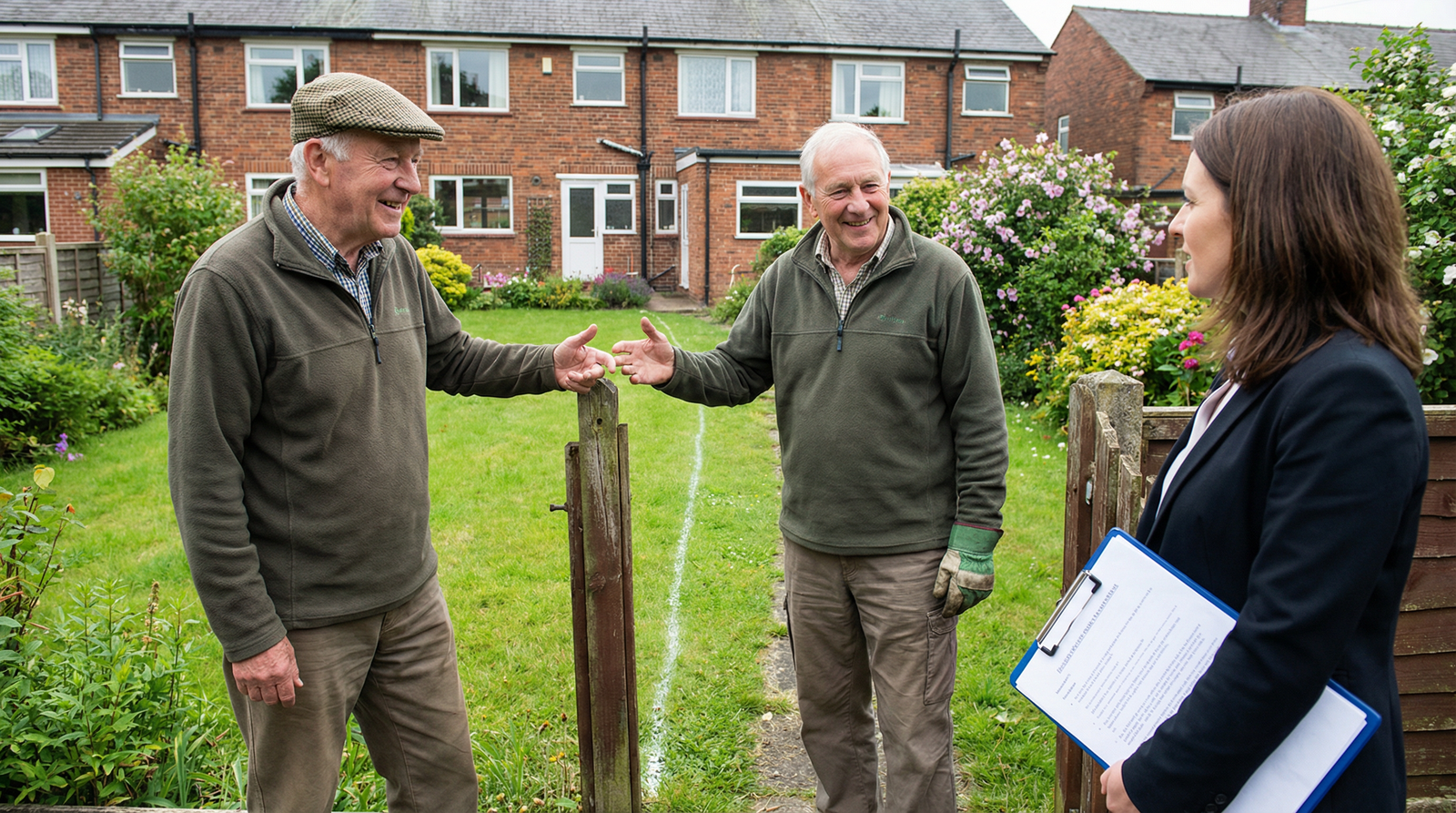
Few things cause more stress between neighbours than property boundary disputes. Whether it's a fence placed in the wrong spot, confusion about who owns a garden wall, or disagreement over where one property ends and another begins, boundary issues can escalate quickly from friendly conversations to legal battles.
As experienced chartered surveyors, we've helped resolve hundreds of boundary disputes across the UK. Most could have been prevented with better information and communication. In this comprehensive guide, we'll share professional advice on understanding, preventing, and resolving property boundary disputes.
Understanding Property Boundaries: The Basics
Before we discuss disputes, let's clarify what property boundaries actually are. Your property boundary is the legal line that separates your land from your neighbour's. It defines where your ownership rights end and theirs begin.
The General Boundary Rule
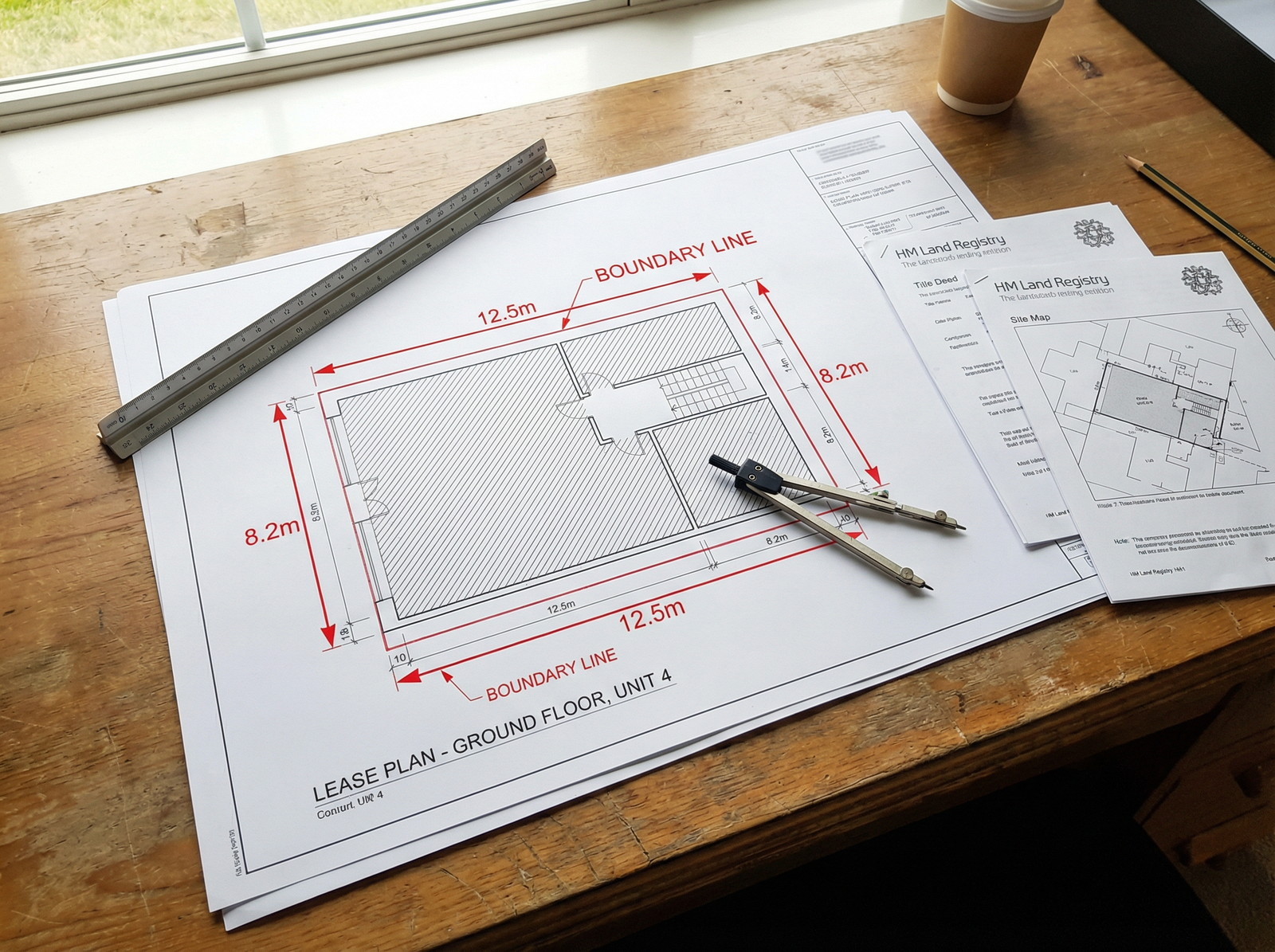
In England and Wales, the Land Registry operates under the "general boundary rule." This means boundaries shown on title plans indicate the general position of boundaries rather than fixing them precisely. The Land Registry's official line is that boundary lines on plans are drawn to within a few centimetres of their true position.
This might sound imprecise, but it's intentional. The system recognizes that physical features (walls, fences, hedges) may not be perfectly positioned and that determining exact boundary locations would require expensive measured surveys for every property. For most purposes, the general boundary rule works fine – problems arise when neighbours disagree about those "few centimetres" or when physical features don't match the title plan.
Boundary Features
Physical features that commonly mark boundaries include fences, walls, hedges, ditches, rivers, and streams. Understanding who's responsible for maintaining these features is often a source of confusion. The title deed might specify ownership, or there might be local customs (like the assumption that you own the fence on a particular side). However, these assumptions aren't always correct.
Common Causes of Boundary Disputes
Understanding why disputes arise helps you prevent them. Here are the most common triggers our team encounters:
1. New Construction or Development
Many disputes start when someone decides to build an extension, erect a new fence, or develop their land. The neighbour suddenly pays attention to exactly where the boundary is, especially if they think the new structure encroaches on their property. What seemed like a clear boundary for years becomes contentious when a builder starts digging foundations.
2. Ambiguous Title Plans
Old title plans can be surprisingly vague. Properties registered decades ago might have plans drawn at scales that make precise boundary identification difficult. When physical features have changed since the original registration, working out where the legal boundary lies becomes challenging.
3. Moved or Missing Boundary Markers
Fences rot and get replaced. Hedges grow and get trimmed. Over time, boundary markers can shift from their original positions. Someone rebuilding a fence might place it a few inches differently from the old one, gradually moving the perceived boundary line.
4. Adverse Possession Claims
If someone has used part of your land for a long period (typically 10-12 years) without your permission and without you objecting, they might claim ownership through adverse possession. This often happens with land that's been absorbed into a neighbour's garden or used for parking.
5. Rights of Way and Access Disputes
Even when boundary lines are clear, disputes arise over rights of way and access points. Who can use that shared driveway? Does your neighbour have the right to walk across your land to reach their outbuilding? These access issues are technically separate from boundary location but often get tangled up in boundary disputes.
6. Tree and Hedge Boundary Issues
Trees and hedges growing on or near boundaries are frequent sources of conflict. Overhanging branches, invasive roots, and height disputes all create tension. When a tree stands directly on a boundary line, establishing ownership becomes even more complicated.
The Cost of Boundary Disputes
Before rushing into confrontation, consider what boundary disputes actually cost:
Financial Costs: Legal disputes over boundaries can easily cost tens of thousands of pounds. Even if you "win," legal costs might exceed the value of the disputed land. We've seen people spend £30,000 fighting over two feet of garden.
Emotional Toll: Boundary disputes with neighbours create enormous stress. You're living next door to someone you're in conflict with. Every glimpse of them in their garden becomes uncomfortable. The emotional cost on mental health and family relationships can be significant.
Property Value Impact: An ongoing boundary dispute must be disclosed if you sell your property. This can deter buyers or reduce offers. Even resolved disputes leave a paper trail that can affect sale prospects.
Time and Energy: Disputes consume enormous time. Meetings with solicitors, gathering evidence, court appearances – all while trying to maintain normal life and work. The energy drain is exhausting.
Prevention: The Best Strategy
Preventing disputes is far easier, cheaper, and less stressful than resolving them. Here's how:
Before You Buy
When purchasing property, invest in a proper survey. Don't just rely on the title plan your solicitor provides. Commission an independent boundary survey from chartered surveyors if there's any uncertainty about boundaries. Check for boundary disputes in the seller's property information forms. Look for recent fence installations or boundary changes. Talk to neighbours (diplomatically) about boundaries if you can.
Maintain Good Neighbour Relations
Most boundary issues can be resolved with good communication. Before erecting fences or undertaking construction near boundaries, discuss plans with neighbours. Show them your plans, explain what you're doing, and listen to any concerns. This simple courtesy prevents most disputes from starting.
Document Boundaries Early
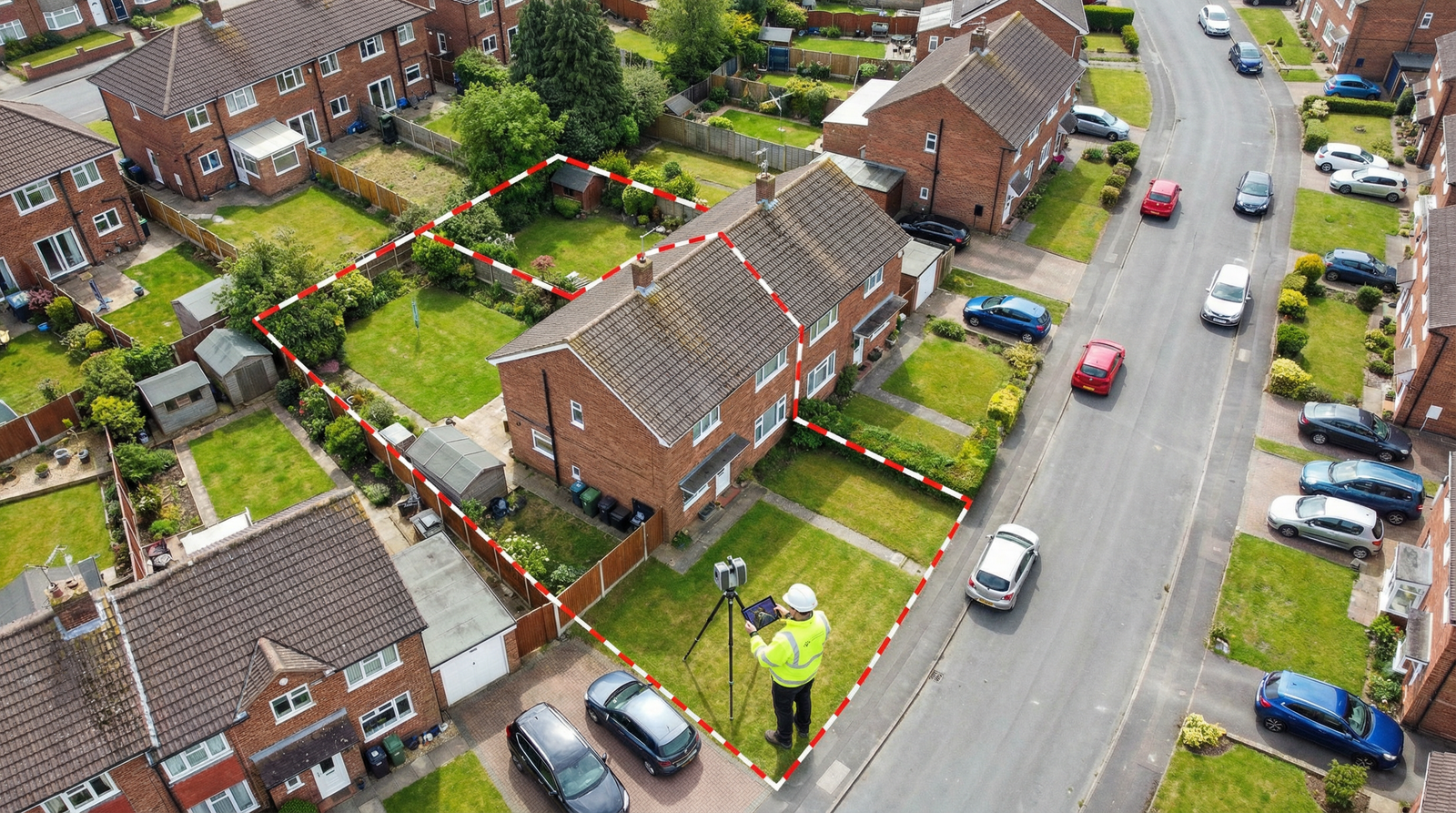
Consider commissioning a professional measured survey to establish exact boundary positions. This creates a factual record everyone can refer to. While it costs money upfront, it's far cheaper than resolving a dispute later. Our experienced team uses laser scanning technology to provide millimetre-accurate boundary documentation.
Keep Records
Photograph boundaries regularly, especially before any changes. Keep records of boundary maintenance. If you replace a fence, document where it was and where you're putting the new one. These records become invaluable if disputes arise years later.
Resolving Disputes: A Step-by-Step Approach
If you find yourself in a boundary dispute despite your best efforts, follow this structured approach:
Step 1: Stay Calm and Communicate
Your first step should always be talking to your neighbour. Many disputes arise from misunderstandings or different interpretations of the same information. Approach the conversation calmly and without accusation. Share your title plan and ask to see theirs. You might discover the dispute is based on a simple misunderstanding.
Document all communications. Send follow-up emails summarizing conversations. This creates a record and ensures both parties understand what was discussed.
Step 2: Gather Evidence
Collect all relevant documents including your title deeds and plans, previous surveys (if any), historical photographs showing boundaries, correspondence about the property's boundaries, and any previous owner's statements about boundaries.
Land Registry title plans show general boundary positions, but they're not definitive. However, they're your starting point. Compare both parties' title plans – they might reveal helpful information.
Step 3: Commission a Professional Boundary Survey
If informal discussion doesn't resolve the issue, commission an independent boundary survey from chartered surveyors. This professional assessment should establish the likely position of the legal boundary based on title plans, physical features, historical evidence, and measured surveys.
A professional boundary survey from our experienced team typically includes site visits and measurements, analysis of title documents and Land Registry plans, research into historical records, production of detailed boundary plans showing the surveyor's professional opinion on boundary locations, and a written report explaining the reasoning.
Many disputes end here. When both parties see an independent professional assessment, they often accept the boundary position identified. The survey gives everyone objective facts to work from rather than assumptions.
Step 4: Consider Mediation
If the survey doesn't resolve things, consider mediation before legal action. Property mediation involves a trained neutral mediator helping both parties reach an agreement. It's much cheaper than court, faster (usually resolved in weeks not years), confidential (unlike court proceedings), and gives you control over the outcome rather than leaving it to a judge.
The Royal Institution of Chartered Surveyors (RICS) operates a dispute resolution service specifically for property matters. Many of our team members serve as expert witnesses in boundary disputes and can recommend appropriate mediation services.
Step 5: Determined Boundary Application
If you need absolute clarity and other methods have failed, you can apply to the Land Registry for a determined boundary. This process involves submitting a detailed application with professional survey evidence, serving notice on affected neighbours, and potentially attending a hearing if neighbours object.
A determined boundary precisely defines the legal boundary and is recorded on title plans. However, it's expensive, time-consuming, and should be a last resort. You'll need detailed boundary surveys from experienced chartered surveyors to support your application.
Step 6: Legal Action (Last Resort)
Court proceedings should be your absolute last option. They're expensive, stressful, slow, and the outcome is unpredictable. Courts can order boundary surveys (which you should have commissioned already), review historical evidence, hear testimony, and ultimately decide boundary positions. The losing party typically pays costs for both sides.
Before starting legal proceedings, judges expect you to have attempted resolution through communication, professional surveys, and mediation. Failure to take these steps can result in cost penalties even if you win.
Special Situations
Party Walls
Walls shared between properties are governed by the Party Wall Act 1996. If you're planning work affecting a party wall, you must serve formal notice on your neighbour. Disputes about party wall work follow special procedures under this Act. Consider consulting a party wall surveyor who specializes in this specific area.
Adverse Possession
If your neighbour has been using part of your land for more than ten years without permission, they might claim ownership through adverse possession. Defending against adverse possession claims requires showing you didn't give permission and demonstrating you took steps to stop the encroachment. Documentation and evidence become crucial.
Registered vs Unregistered Land
Most property in England and Wales is now registered with the Land Registry, but some remains unregistered. Unregistered land follows different rules and requires investigation of title deeds going back many years. If your dispute involves unregistered land, you definitely need specialist legal advice.
The Role of Professional Surveyors
Professional chartered surveyors play a crucial role in boundary disputes. Here's what we can do:
Expert Boundary Surveys
We conduct detailed measured surveys using laser scanning technology to establish accurate property boundaries. Our surveys combine physical measurements with analysis of title documents and Land Registry plans.
Expert Witness Services
If disputes reach court, chartered surveyors can serve as expert witnesses. We provide independent professional opinions on boundary locations based on evidence. Our reports carry significant weight in legal proceedings because of our professional accreditations and experience.
Dispute Resolution Consultation
Beyond just producing surveys, our experienced team can provide consultancy on boundary issues. We help property owners understand their position, assess the strength of their claims, and advise on the best approach to resolution. Sometimes an hour's consultation with a professional saves thousands in legal fees.
Mediation Support
Some of our chartered surveyors are trained mediators or can participate in mediation as technical experts. Having a surveyor present during mediation discussions helps both parties understand the technical evidence and reach informed agreements.
Practical Tips for Boundary Maintenance
Once boundaries are established or disputes resolved, maintain them properly:
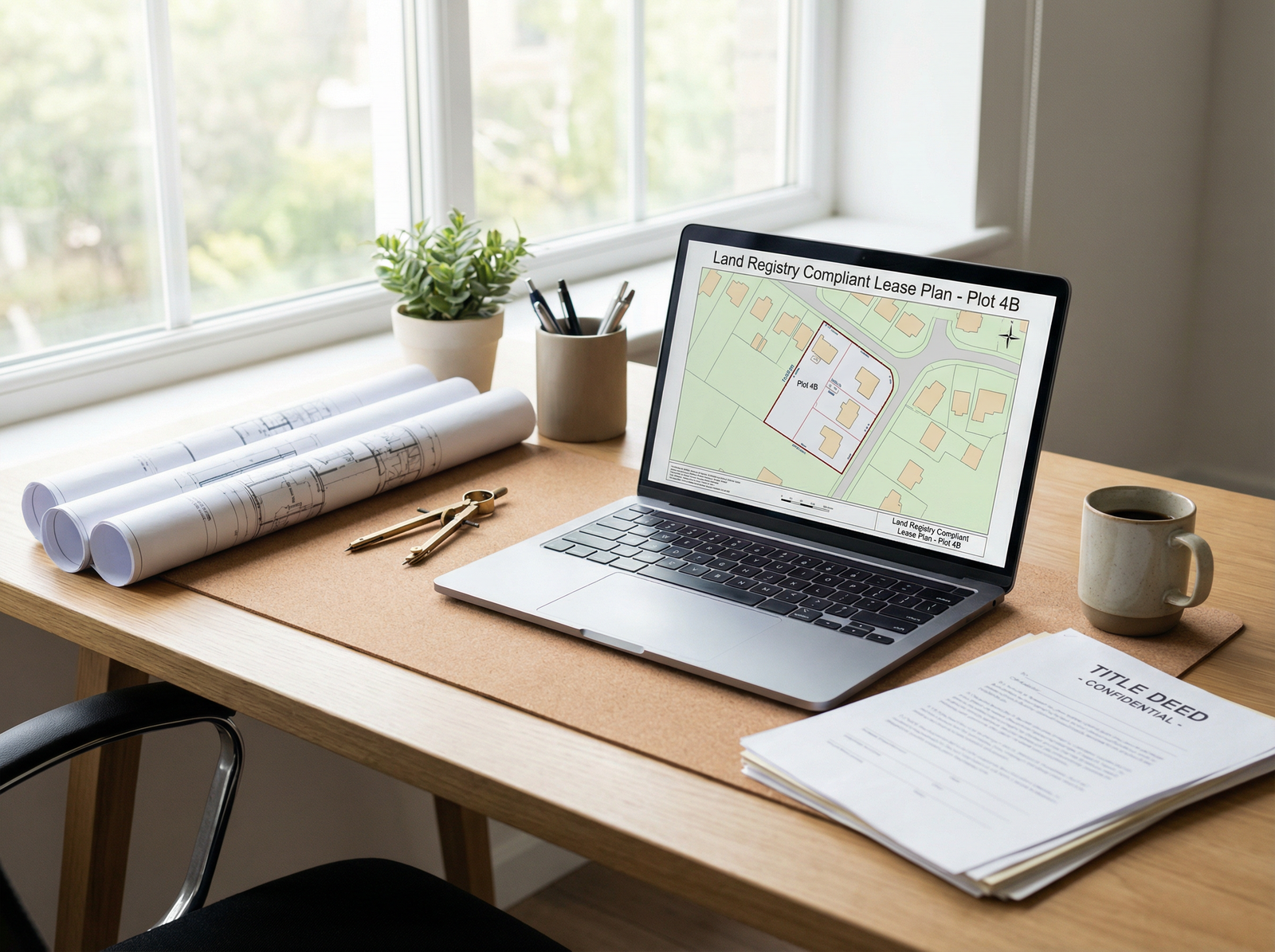
- Keep Documentation Safe: Store title deeds, survey reports, and boundary agreements securely. Pass them on if you sell the property.
- Maintain Boundary Features Carefully: When replacing fences or walls, position them accurately. Don't "creep" boundaries by placing new features further into your neighbour's space.
- Communicate About Changes: Before any work near boundaries, talk to neighbours. Good communication prevents misunderstandings.
- Challenge Encroachments Early: If your neighbour starts using your land without permission, address it immediately. Waiting allows adverse possession claims to develop.
- Consider Boundary Agreements: If you and your neighbour agree on boundaries, consider a formal boundary agreement. This is a legal document that both parties sign, confirming the agreed boundary position. You can register it with the Land Registry for permanent record.
When to Seek Professional Help
Don't delay seeking professional advice in these situations:
- Your neighbour has built something that appears to encroach on your property
- You're planning construction near a boundary and want to avoid disputes
- A neighbour claims adverse possession of part of your land
- Title plans are unclear or contradictory
- Informal discussions have failed to resolve uncertainty
- You're buying or selling property with potential boundary issues
- A long-standing boundary marker has been moved or removed
Early professional input from experienced chartered surveyors often prevents disputes from escalating. Our team provides clear, practical advice based on decades of experience with property boundaries.
Conclusion: Prevention and Communication Are Key
Property boundary disputes are stressful, expensive, and time-consuming. The best strategy is prevention through good neighbour relations, proper documentation, and professional surveys when needed. If disputes do arise, approach them systematically: communicate first, gather evidence, seek professional surveys, try mediation, and only pursue legal action as a last resort.
Remember that maintaining good relations with neighbours is worth far more than a few inches of garden. Sometimes compromising or accepting a professional surveyor's assessment, even if it's not exactly what you hoped, is the wisest course. The cost of winning a legal battle often exceeds any benefit gained.
As experienced chartered surveyors, we're here to help whether you need boundary surveys to prevent disputes or expert assistance resolving existing issues. Our professional expertise, accreditations from RICS, CIOB, and RPSA, and decades of combined experience mean you're getting reliable, trustworthy advice.
If you're facing boundary uncertainty or disputes, get in touch with our team. We'll discuss your situation, explain your options, and provide practical guidance on the best way forward. Sometimes a professional survey and clear communication can resolve issues that seemed intractable.
Need Expert Boundary Advice?
Our chartered surveyors provide professional boundary surveys and expert consultancy for property owners facing boundary uncertainty or disputes. With cutting-edge laser scanning technology and decades of experience, we deliver accurate, reliable boundary documentation.
Request a Consultation